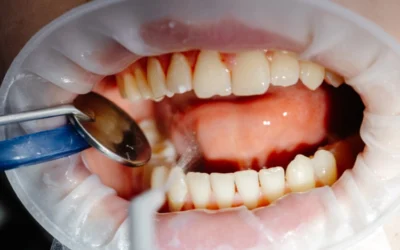

Wisdom tooth pain isn’t just uncomfortable — it can be downright disruptive. Whether it’s a dull ache in the back of your mouth or a sudden, sharp jolt while chewing, wisdom teeth can cause real trouble when they don’t grow in properly.
Let’s dive into what causes wisdom tooth pain, what symptoms to look out for, and how to get relief.
🦷 What Are Wisdom Teeth?
Wisdom teeth are the last set of molars — usually four — that erupt at the back of your mouth, typically between the ages of 17 and 25. They’re called “wisdom” teeth because they appear when you’re supposedly wiser!
But here’s the problem: Most jaws don’t have enough space for them.
When wisdom teeth don’t have room to grow, they can:
- Come in crooked
- Push against other teeth
- Get stuck below the gum line (impacted)
- Cause infections or cysts
⚠️ Common Symptoms of Wisdom Tooth Pain
Not sure if your pain is from a wisdom tooth? Here are telltale signs:
- Throbbing pain in the back of the jaw
- Swollen or tender gums
- Redness or bleeding around the back teeth
- Difficulty opening your mouth
- Jaw stiffness or headache
- Bad breath or an unpleasant taste
🤔 What Causes the Pain?
Wisdom tooth pain usually happens due to:
- Impaction
When the tooth is trapped under the gums or growing at an angle. This can press on nerves, other teeth, or the jawbone.
- Pericoronitis
An infection of the gum tissue around a partially erupted tooth. Food and bacteria get trapped, causing swelling and pain.
- Tooth Decay or Gum Disease
Wisdom teeth are hard to clean. That makes them vulnerable to cavities and gum infections.
🧊 How to Manage the Pain at Home (Temporarily)
If you’re waiting for a dental appointment, these tips might offer short-term relief:
- 🧼 Rinse with warm salt water
- 🧊 Apply a cold compress to the outside of your jaw
- 💊 Use over-the-counter pain relievers (like ibuprofen)
- 🦷 Maintain good oral hygiene to prevent further infection
Note:
These are temporary solutions — they don’t fix the root cause.
🏥 When to See a Dentist
If you’re experiencing ongoing or severe pain, don’t wait. See your dentist if:
- The pain lasts more than a couple of days
- You have swelling in your jaw or face