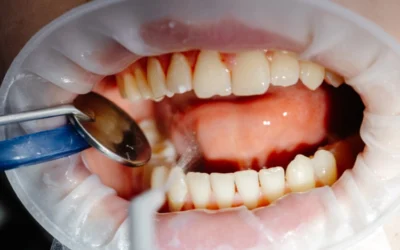
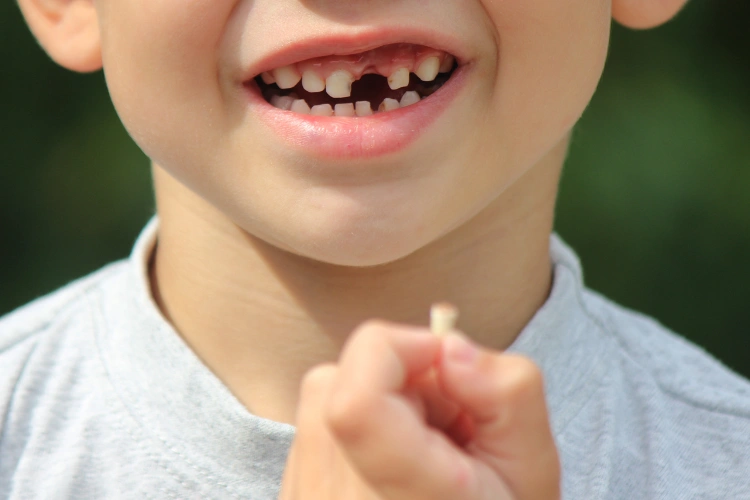
When it comes to children’s dental health, many parents assume that cavities in milk teeth (also called baby teeth) aren’t a big deal — after all, they fall out eventually, right?
Wrong.
Cavities in milk teeth can lead to serious dental and health issues if left untreated. Here’s why it’s absolutely essential to care for and treat baby teeth — even if they’re temporary.
- Milk Teeth Hold Space for Permanent Teeth
Milk teeth act as natural placeholders for permanent teeth. If a baby tooth is lost early due to decay or infection, nearby teeth can shift into that empty space, potentially leading to:
- Crooked or crowded permanent teeth
- Misalignment of the bite
- Need for braces later on
- Untreated Cavities Can Cause Pain and Infections
Tooth decay in children can escalate quickly. If a cavity is not treated in time:
- It can cause toothaches and gum pain
- It may lead to abscesses or infections
- Severe cases may affect speech, sleep, and eating
Infections in the mouth can also spread to other areas, potentially becoming a more serious health risk.
- Cavities Can Affect Nutrition and Growth
Children with painful cavities often avoid chewing or eating certain foods. This can result in:
- Poor nutrition
- Delayed physical development
- Difficulty maintaining a healthy weight
Healthy teeth help children chew properly, which is essential for their growth and digestion.
- Early Dental Habits Shape Lifelong Oral Health
Treating and maintaining milk teeth:
- Builds a strong foundation for good oral hygiene
- Reduces fear of dental visits
- Encourages responsibility and self-care in kids
Children who regularly visit the dentist and receive proper care are more likely to continue those habits into adulthood.
- Speech Development Depends on Healthy Teeth
Teeth play a crucial role in speech. Missing or painful baby teeth can interfere with:
- Pronunciation
- Clarity of speech
- Confidence in social settings
Treating cavities helps ensure your child speaks clearly and develops normally.
👶 When Should You Start Dental Visits?
- As soon as the first tooth erupts or by age 1
- Regular check-ups every 6 months
- Immediate visit if you notice discoloration, holes, or your child complains of pain
✅ Key Takeaway
Don’t ignore cavities in baby teeth. Early treatment not only protects your child from pain and infection but also promotes proper oral development and lifelong dental health.
Remember:
Just because they’re temporary doesn’t mean they’re not important.
Strong milk teeth = strong future smile! 😁